



Newsletter Subscribe
Enter your email address below and subscribe to our newsletter

Enter your email address below and subscribe to our newsletter
All voices matter

Navigating the Energy Tides: Islamabad Summit Pivots Global Focus to Supply Chain Stability
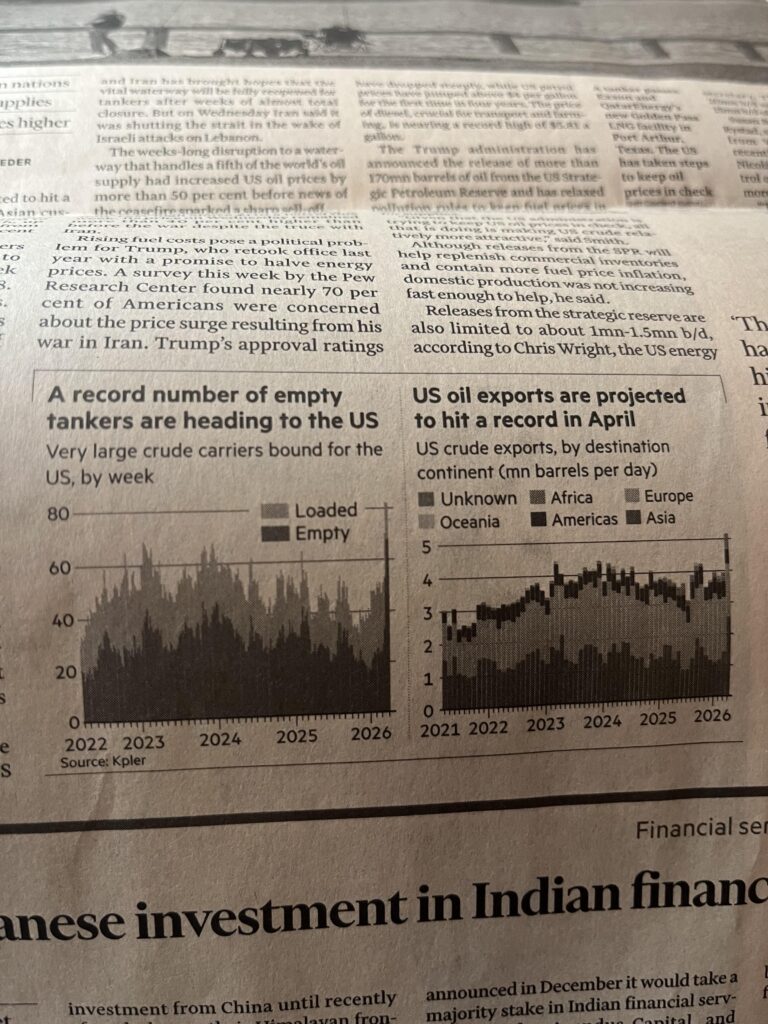
As Brent crude hovers around $96.11 on April 10, 2026, the global energy landscape is undergoing a significant strategic reorientation. The immediate focus has shifted dramatically from direct military confrontation to the intricate dance of supply chain stability. All eyes are now fixed on the crucial Islamabad Summit, with the industry closely monitoring developments over the next 48 hours, understanding that its outcomes could dictate the trajectory of energy markets for months to come.
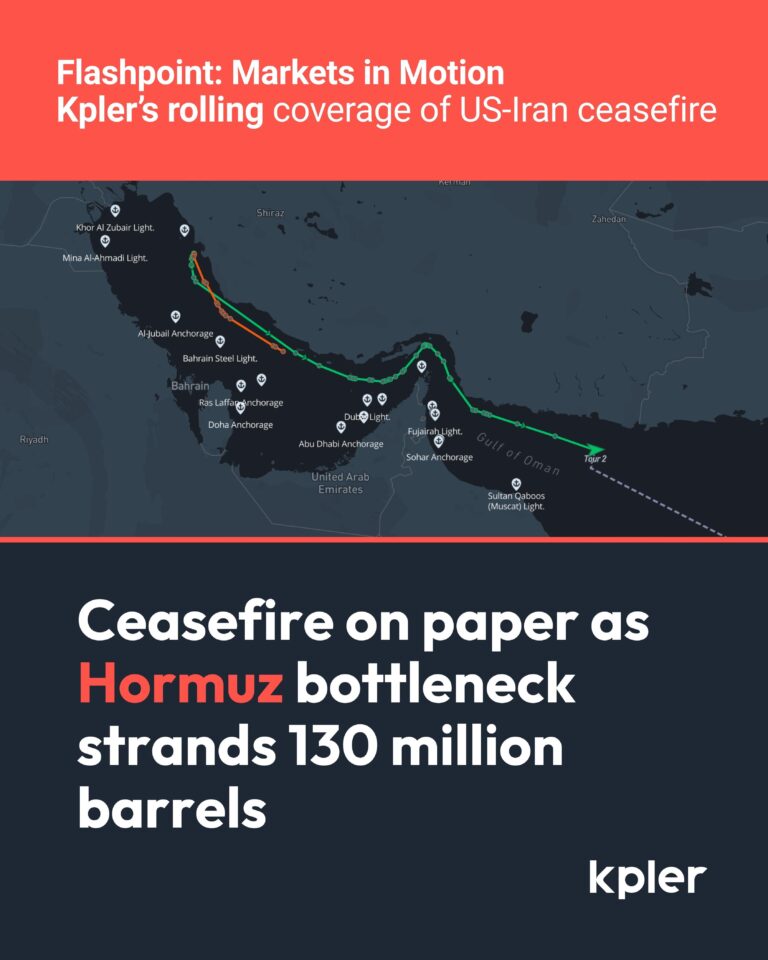
A primary concern being addressed by the Islamabad Summit is the integrity of crucial shipping lanes, particularly the Strait of Hormuz. Iran’s anticipated assurance of safe passage for vessels is seen as a critical move, effectively ‘clearing a traffic jam’ for numerous tankers currently constrained within the Persian Gulf. This diplomatic breakthrough, if solidified, promises to significantly de-risk maritime transport in the region and unblock vital crude flows.
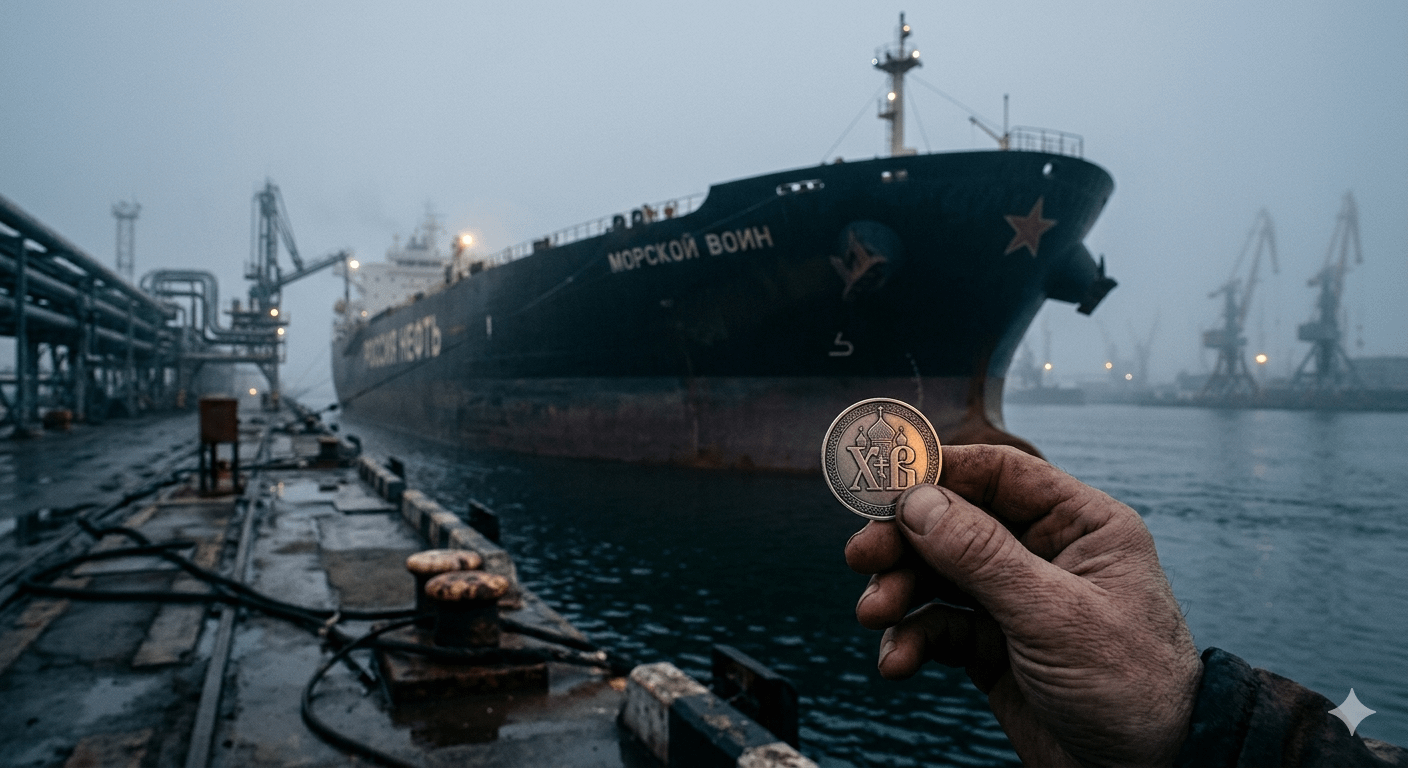
Adding another complex layer to the equation is Russia’s robust financial position. Benefiting from a recent surge in crude prices to $140/barrel in March, Russia is projected to double its tax revenue this month, reaching an estimated $9 billion. This substantial influx of liquidity is not merely an economic footnote; it’s actively reshaping the energy dynamics across Eastern Europe, granting Moscow considerable leverage and influence.
In a strategic move to safeguard global supply volumes, the US administration, under President Trump, is reportedly poised to waive sanctions on Russian crude. This decision underscores a clear prioritization: preventing another catastrophic price hike that could push oil prices above the $150 mark. The gamble here is that by allowing more Russian oil into the market, the immediate threat of supply shortages and runaway inflation can be mitigated, even if it means a policy shift.
The urgency of these diplomatic efforts is further highlighted by recent attacks on Saudi energy facilities, which have severely curtailed production by approximately 700,000 barrels per day. The Islamabad talks are not just about de-escalation; they represent the singular viable path towards restoring this critical capacity. A failure to reach an agreement could leave a significant gap in global supply, exacerbating market anxieties.
The convergence of these geopolitical, economic, and logistical factors makes the Islamabad Summit a defining moment. As stakeholders ponder the immediate future, a key question remains: will these intricate diplomatic maneuvers succeed in calming the waters sufficiently to ease the prohibitive war insurance pricing that has plagued tankers operating in the region? The next 48 hours will undoubtedly offer crucial insights into the path forward for global energy stability.
عنوان فارسی: مهار امواج انرژی: اجلاس اسلام آباد تمرکز جهانی را به سمت ثبات زنجیره تامین سوق میدهد
متن فارسی:
در حالی که نفت برنت در تاریخ ۱۰ آوریل ۲۰۲۶ حدود ۹۶.۱۱ دلار معامله میشود، چشمانداز انرژی جهانی در حال تغییر جهتگیری استراتژیک قابل توجهی است. تمرکز فوری به طور چشمگیری از رویارویی نظامی مستقیم به سمت پویایی پیچیده ثبات زنجیره تامین تغییر یافته است. تمام نگاهها اکنون به اجلاس حیاتی اسلام آباد دوخته شده است و صنعت، تحولات ۴۸ ساعت آینده را به دقت زیر نظر دارد؛ زیرا درک میشود که نتایج آن میتواند مسیر بازارهای انرژی را برای ماهها تعیین کند.
یکی از نگرانیهای اصلی که در اجلاس اسلام آباد مورد بررسی قرار میگیرد، یکپارچگی خطوط کشتیرانی حیاتی، به ویژه تنگه هرمز است. تضمین مورد انتظار ایران برای عبور ایمن کشتیها به عنوان یک گام حیاتی تلقی میشود که به طور مؤثر یک "ترافیک" را برای تعداد زیادی از تانکرهای نفتی که در حال حاضر در خلیج فارس محبوس هستند، "باز میکند". این دستاورد دیپلماتیک، در صورت نهایی شدن، نویدبخش کاهش قابل توجه ریسک حمل و نقل دریایی در منطقه و باز کردن جریانهای حیاتی نفت خام است.
لایه پیچیده دیگری که به این معادله اضافه میشود، موقعیت مالی قدرتمند روسیه است. روسیه که از افزایش اخیر قیمت نفت خام به ۱۴۰ دلار در هر بشکه در ماه مارس بهرهمند شده است، پیشبینی میشود که درآمد مالیاتی خود را در این ماه دو برابر کرده و به ۹ میلیارد دلار برسد. این هجوم قابل توجه نقدینگی صرفاً یک یادداشت اقتصادی نیست؛ بلکه به طور فعال در حال تغییر پویاییهای انرژی در سراسر اروپای شرقی است و به مسکو اهرم و نفوذ قابل توجهی میبخشد.
در یک اقدام استراتژیک برای حفاظت از حجم عرضه جهانی، دولت ایالات متحده، تحت ریاست جمهوری ترامپ، بنا بر گزارشها، آماده است تا تحریمها علیه نفت خام روسیه را لغو کند. این تصمیم بر یک اولویت روشن تأکید میکند: جلوگیری از یک افزایش فاجعهبار دیگر قیمت که میتواند بهای نفت را به بالای ۱۵۰ دلار برساند. ریسک اینجاست که با اجازه دادن به ورود نفت بیشتر روسیه به بازار، تهدید فوری کمبود عرضه و تورم فزاینده میتواند کاهش یابد، حتی اگر به معنای تغییر سیاست باشد.
فوریت این تلاشهای دیپلماتیک با حملات اخیر به تأسیسات انرژی عربستان سعودی که تولید را حدود ۷۰۰ هزار بشکه در روز به شدت کاهش داده است، بیشتر برجسته میشود. مذاکرات اسلام آباد فقط به کاهش تنش مربوط نمیشود؛ بلکه تنها مسیر عملی برای بازگرداندن این ظرفیت حیاتی را نشان میدهد. عدم دستیابی به توافق میتواند شکاف قابل توجهی در عرضه جهانی ایجاد کرده و نگرانیهای بازار را تشدید کند.
همگرایی این عوامل ژئوپلیتیکی، اقتصادی و لجستیکی، اجلاس اسلام آباد را به یک لحظه تعیینکننده تبدیل میکند. همانطور که ذینفعان به آینده نزدیک میاندیشند، یک سوال کلیدی باقی میماند: آیا این مانورهای دیپلماتیک پیچیده موفق خواهند شد به اندازه کافی آبها را آرام کنند تا قیمتهای بالای بیمه جنگی را که تانکرهای فعال در منطقه را تحت تاثیر قرار داده است، کاهش دهند؟ ۴۸ ساعت آینده بدون شک بینشهای حیاتی را در مورد مسیر پیش رو برای ثبات انرژی جهانی ارائه خواهد داد.